
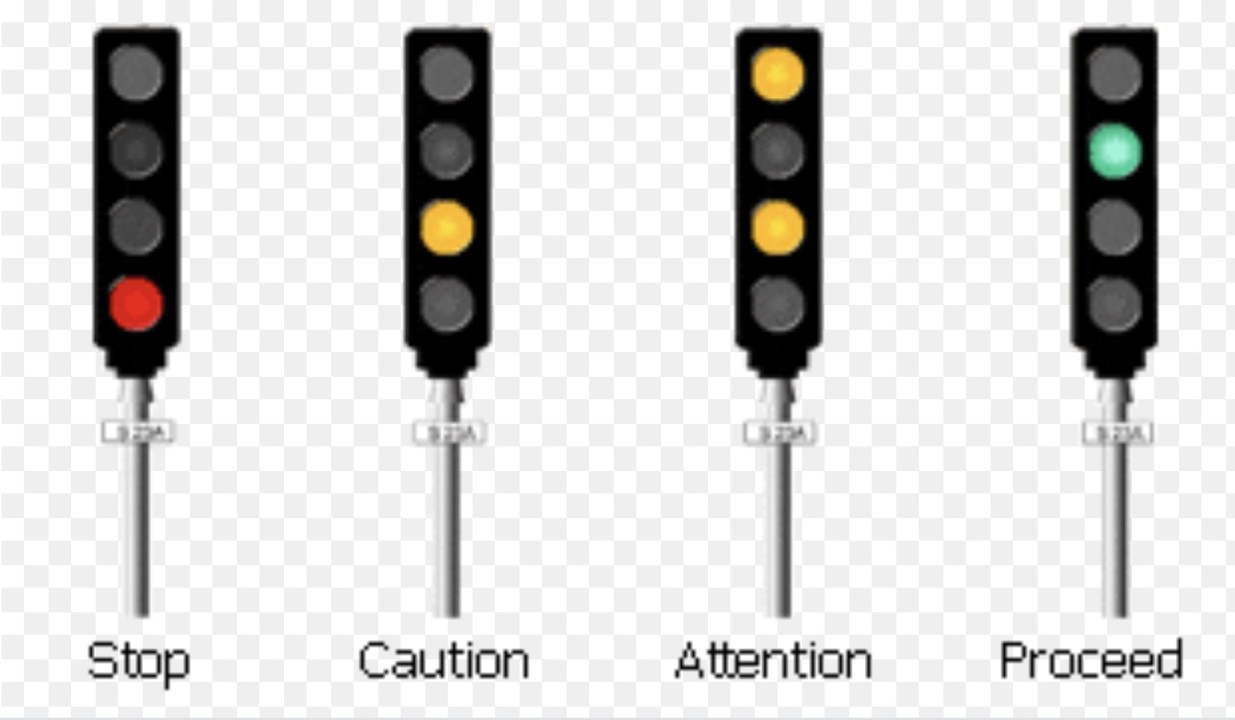
In continuation of sharing my experiences over the last 25 years in Railway Signal Engineering, I am sharing my stint with Indian Railways from 1997 to 2006 in this part. After completing 18 months of rigorous training, I was appointed in May, 1997 at Tadepalligudem railway station and responsible for maintenance of Signalling system at 4 stations with a big list of duties to perform. One of the stations is a new block station with central panel (relay) interlocking system, other 3 being end cabins with MACLS system. It was a very interesting and challenging work. The signalling system equipment included DC Track Circuits, Colour light signals, Electrical Detectors for points, Circuit Controllers on mechanical lever frames, inter cabin control slot system and associated power supply arrangement for signalling. Mechanical Signalling equipment used for operating points and associated locking mechanism with interlocking achieved by mechanical locking frames. One of the most interesting works that I witnessed during that time was overhauling of mechanical lever frames once in a year. Specialist team from divisional headquarters used to do this work. During non-interlocking period spanning around 3 days, entire mechanical interlocking will be disconnected with safety in train operations is achieved by strict operational procedures. All the mechanical interlocking equipment will be inspected inside the locking frame (locked and sealed during regular service) for potential damages, worn out parts etc., and after completion of work, all the interlocking will be tested by a competent Divisional Signal & Telecom Engineer, against route tables and interlocking charts.
In normal preventative maintenance, there are not many challenges involved. The real test for knowledge and approach to problem solving comes during the failure conditions of signalling system. We need to fix the failure duly adhering to all safety processes and in the least possible time to minimise the impact on punctuality of trains.
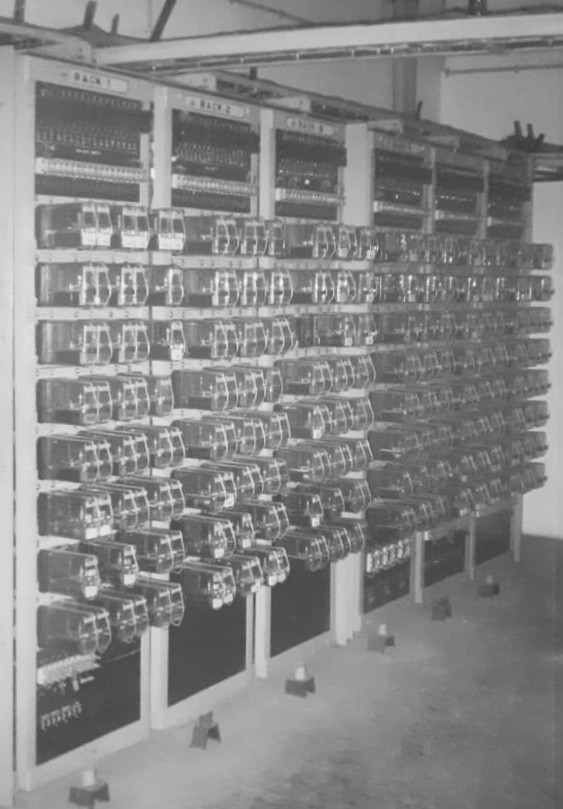
In the year 2000, Signalling system at all the remaining 3 stations was converted to relay based central panel interlocking system with old mechanical signalling system abandoned. All the functionality previously performed by mechanical systems was converted to relay based interlocking system with central operation by the Station Master from a panel board as shown below. There were hundreds of relays in Relay Room, which will operate based on the Station Master’s operation on the panel board and duly ensuring that interlocking principles are achieved. All the safety interlocking principles are converted as relay logic circuits and are hard wired between hundreds of relays. Apart from regular maintenance of the system, there were failures of the system sometimes. It was during the identifying and restoring the faults, the real challenge comes especially if the failure is intermittent. One of the point machine intermittent failure took nearly 30 days for me to analyse the fault condition, localise the fault and fix it which was caused by high contact resistance of a relay contact in one of the point operation circuit. The failure can be at the panel board, inside relay room, wayside locations, wayside cables, wayside relay rooms or at point machine itself. If the failure is permanent, we can trace and fix it in less time. But if it is intermittent in nature, everything will be fine in normal operation. We need to carefully observe and identify. I take this opportunity to remember and thank all those Indian Railway personnel, who worked with me and supported me.
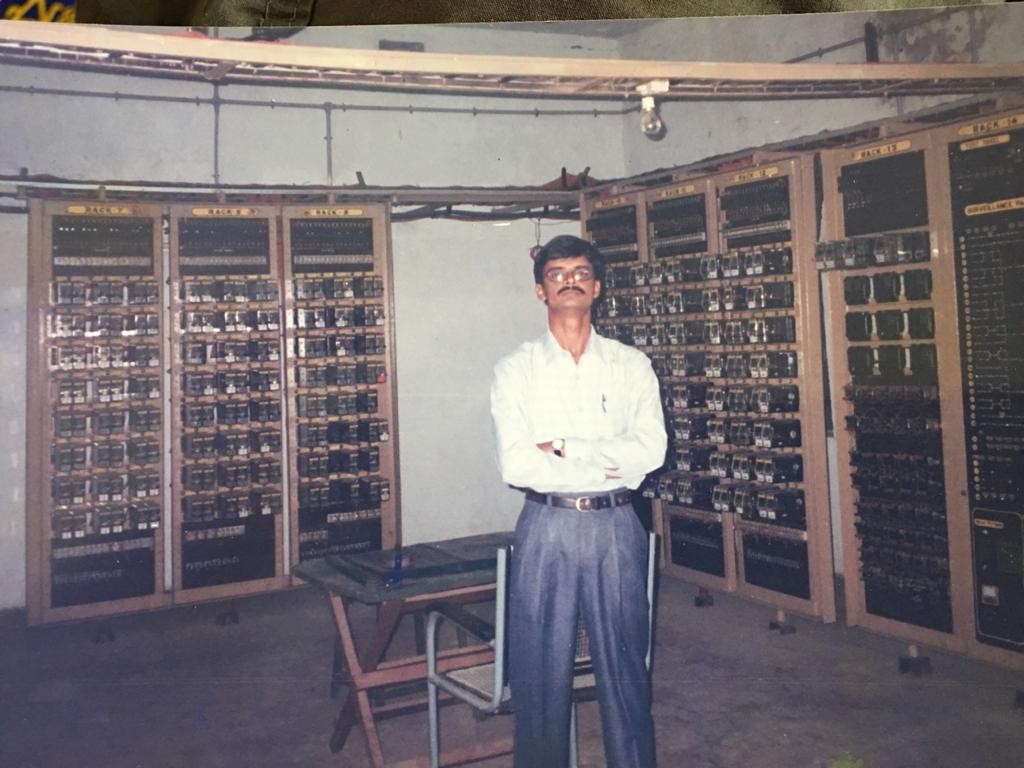
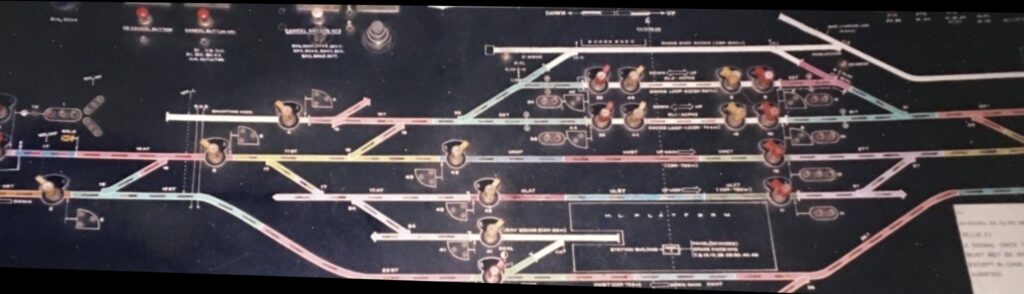
I was transferred to Samalkot Junction in 2003 and was in charge for the Signalling system based on end panel interlocking. Incidentally, I spent most of my training period there and it was a good and memorable experience to go back and work there as in charge. I worked with some of the best and some of them who started their railway career 1950s.
Overall it was a great experience to work for Indian Railways and will summarise my experiences:
- It was a great learning experience working on the front line maintenance of Signalling on Indian Railways.
- It was really challenging to ensure the correct and safe functioning of Signalling system and its equipment.
- It was a great learning to understand the philosophy and principles behind those Red, Yellow and Green aspects.
- There were many fond memories of challenges that I faced, especially in restoring Signalling system failures.
- If we work in real environment of railway, one can learn more about the complexity of Signalling system.
I finished my Masters in Computer Applications from IGNOU in 2005 and was thinking about my future plans. I was in dilemma whether to continue working on Indian Railways or start my career in IT industry. Fortunately, I got an opportunity to work for GE Transportation in 2006 with Indian Railways as the Customer. Without any iota of doubt, I resigned for my job in Indian Railways. The main reasons for my decision were opportunity to work on modern Signalling systems offered by GE, having worked for 10+ years on maintenance stream I felt the job like monotonous and on the personal front I was in a position to take the risk (of leaving secured government job). Finally I moved to Bangalore by Seshadri Express in June, 2006 as part of my next step in career.
Thank you for reading. Eid Mubarak and stay safe.